
01
Face scan
Scan at home or wherever you are
Scan at home or wherever you are
Your measurements explained in the context of brain health research. See the research
Act daily. Re-measure.
Every test looks at your brain from a different angle. Your results combine into one clear protocol, with all your insights on a single page.
A quick selfie-style scan that checks your heart rate, heart rate variability and stress. It all stays on your phone.
A blood test that looks at inflammation, blood sugar, circulation, vitamins and hormones — things that affect how you think and sleep.
Short games that measure memory, speed and focus. Repeat them over time to see how you're changing.
A one-time DNA test, including the APOE gene, showing traits you were born with that can shape long-term risk and which habits suit you.
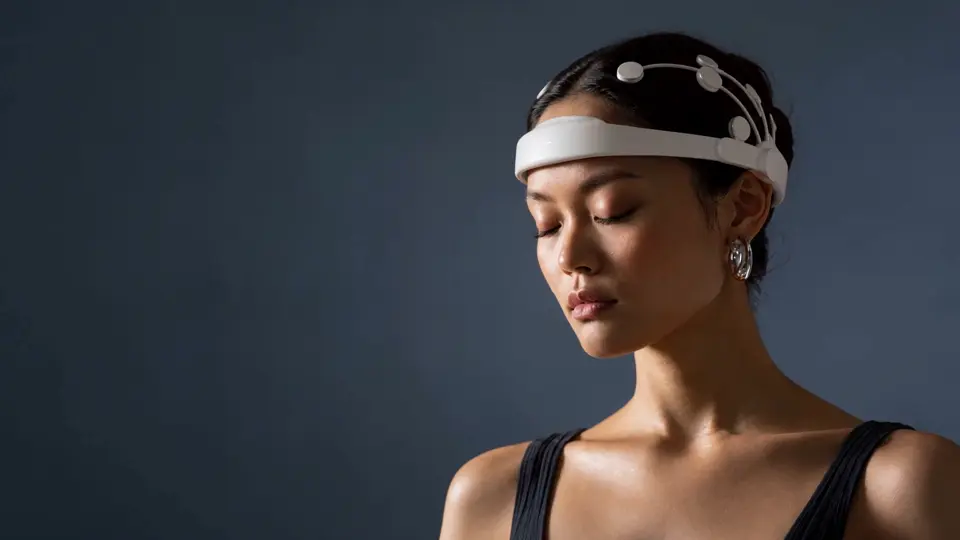
A recording of your brainwaves while you relax and while you concentrate, showing how your attention works.
An estimate of how old your body is on the inside. Re-test later to see if you're aging more slowly.
Blood + cognition + wearables + digital biomarkers + optional EEG.
AI connects patterns across systems and tracks change over time.
Personalized protocols for sleep, movement, nutrition, stress and cognition.
Repeat key tests and continuously adapt the plan.
A personal wellness routine focused on sleep, pacing and manageable cognitive activity. After a head injury, follow your clinician’s guidance; this routine is not treatment.
“You do not out-train impact. You recover from it, every single day.”View the full day at 1010 Recovery
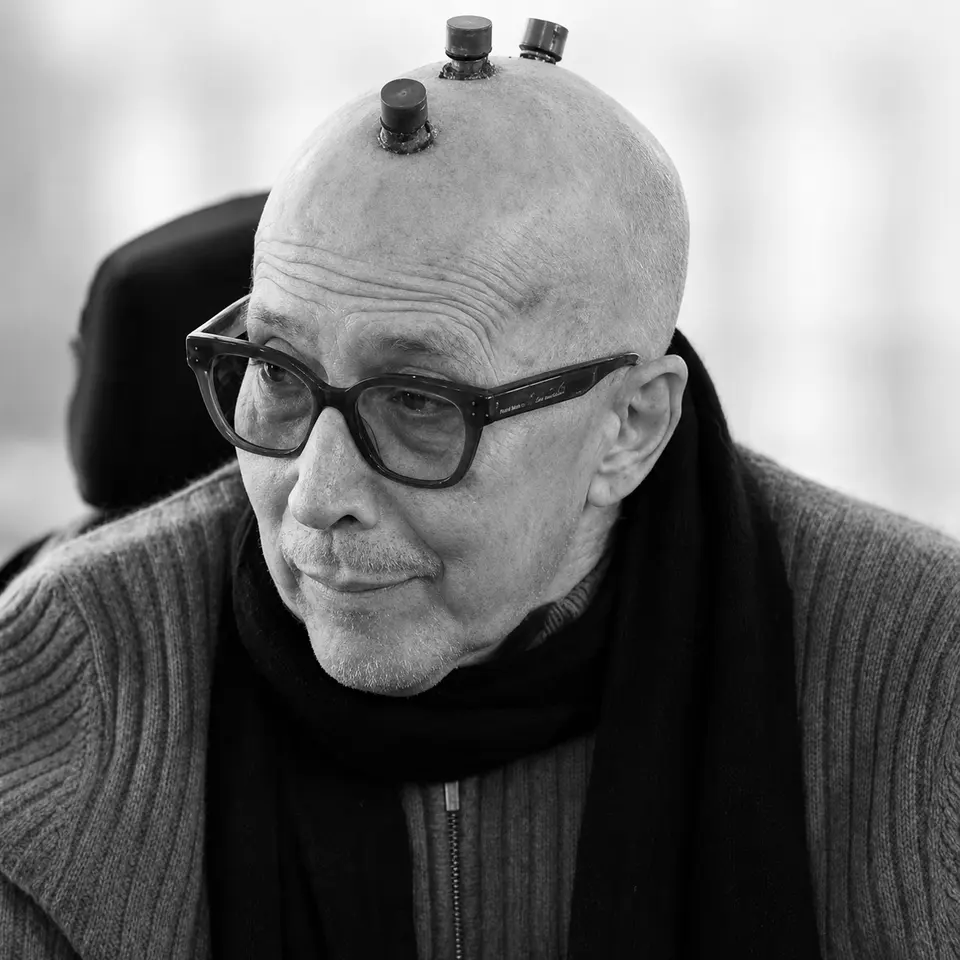
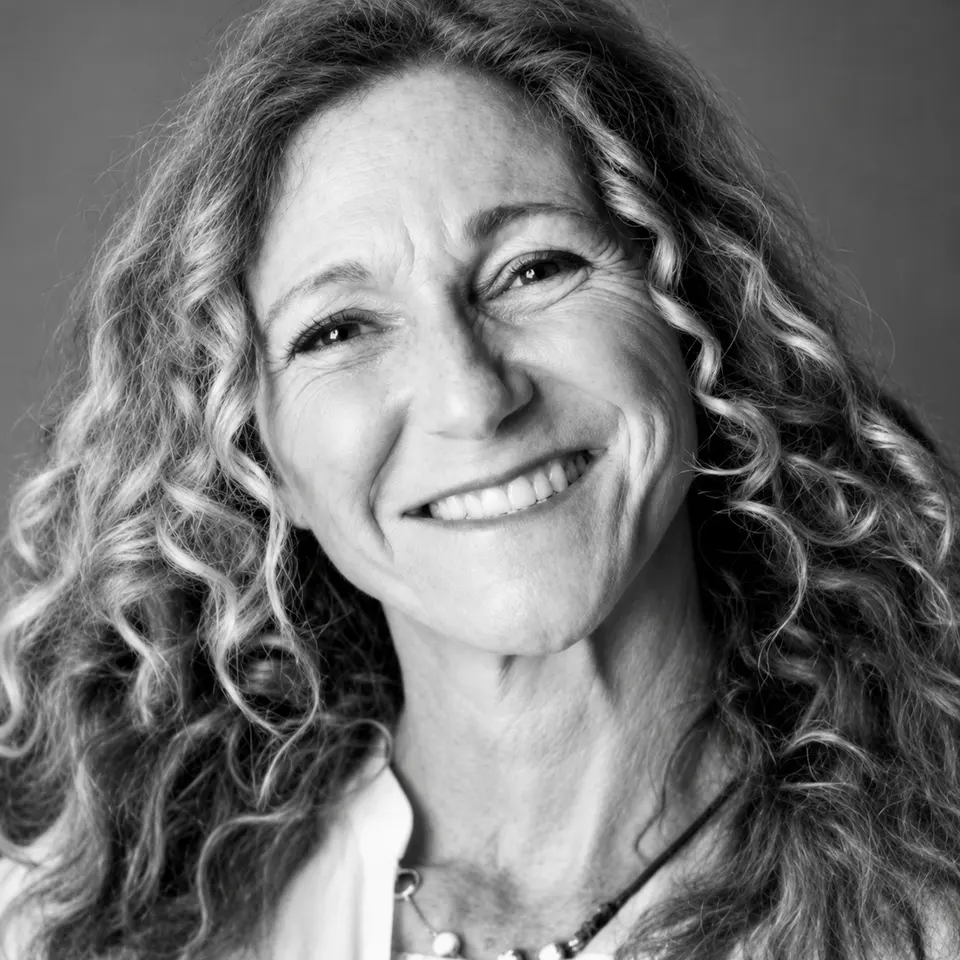
Scientists and clinicians advancing measurable brain healthspan.
Molecular biologist turned data scientist; founder of BRAIN.ONE.
Research psychologist; eHarmony’s founding Chief Scientist.
Board-certified family physician; MD from Mount Sinai.
Regenerative and cellular medicine; research governance.
$499/year, renews automatically, for your baseline and blood biomarkers.
$2,999 for the full 12-week Brain Longevity Program, then $499/year.
Requires a compatible iPhone.
You set up the app on your iPhone, take your first measurements, including a short face scan, and get your first plan. It is a short set of daily micro-habits built from your own results, with a quick daily check-in.
About 15 to 30 minutes a day, entirely remote. It is split into short habits you can fit around work, training or family, plus a check-in that takes about two minutes.
A compatible iPhone. The free Brain Check and the face scan need nothing else. Paid plans add a blood biomarker panel. A wearable is optional; if you have one, connect it and your plan uses that data too.
Most apps give everyone the same exercises. BRAIN.ONE measures you first, builds your plan from those results, and adjusts it as you re-measure.
Only alongside your clinician's care. Some members, including professional athletes, use BRAIN.ONE this way, with daily habits focused on sleep, stress and pacing. BRAIN.ONE does not diagnose or treat any condition, so always follow your clinician's guidance.
The free Brain Check combines your answers about sleep, focus, mood and energy with any quick reaction-time and memory tasks you complete. It is a first snapshot, not the full assessment. The app adds more measurements over time.
Our plans draw on published research in neuroscience, psychology and behavior change. Research on individual habits does not prove that the full BRAIN.ONE program works. See our research page for methods and oversight.
Only authorized BRAIN.ONE team members and the service providers who help run the service. We do not sell your health data. Face scan processing happens on your phone. See our privacy policy for access, retention and your rights.
Ask your preferred assistant for a summary. AI-generated answers may be inaccurate.